TNA BTC Real-Time Bitcoin Insights for Serious Traders

TNA BTC

Real-Time Bitcoin Insights for Serious Traders

Latest Articles

The Opening Bell Effect: Mapping Bitcoin's 60-Minute Volatility Window Around US Market Open
Technical Analysis

The Opening Bell Effect: Mapping Bitcoin's 60-Minute Volatility Window Around US Market Open

The 30 minutes before and after the US equity market open represent one of Bitcoin's most structurally significant intraday windows. Price behavior during this period carries measurable predictive value for whether the remainder of the trading day will trend directionally or resolve into sideways chop.

Fewer Trades, Lower Costs: The Case for Order Batching in Serious Bitcoin Portfolios
Technical Analysis

Fewer Trades, Lower Costs: The Case for Order Batching in Serious Bitcoin Portfolios

Most US traders underestimate how much friction accumulates from fragmented order execution. Order batching—consolidating multiple smaller trades into strategically timed, larger executions—offers a disciplined framework for reducing slippage, exchange fees, and market impact across complex Bitcoin positions.

Yield Without Neutrality: How Bitcoin-Adjacent Staking Strategies Create Directional Risk You Never Agreed To
Investor Education

Yield Without Neutrality: How Bitcoin-Adjacent Staking Strategies Create Directional Risk You Never Agreed To

Liquidity mining, yield farming, and cross-asset staking programs are widely marketed as passive income strategies, but for US traders, they frequently introduce directional leverage and lock-up risk that only becomes visible during market stress. Understanding the structural mechanics behind these programs is essential before committing capital.

Harvesting Losses or Harvesting Trouble? The Bitcoin Tax Trap US Traders Keep Falling Into
Investor Education

Harvesting Losses or Harvesting Trouble? The Bitcoin Tax Trap US Traders Keep Falling Into

Many US Bitcoin traders believe they can sell at a loss and immediately repurchase to capture a tax deduction—a strategy that works cleanly in crypto today but sits on dangerously shifting regulatory ground. This article examines the current legal landscape, the real audit risks hiding in plain sight, and the structured approach serious traders should adopt before the rules change beneath them.

The Hidden Cost of the Clock: How Execution Quality in Bitcoin Markets Shifts Dramatically With the Hour
Technical Analysis

The Hidden Cost of the Clock: How Execution Quality in Bitcoin Markets Shifts Dramatically With the Hour

A Bitcoin market order placed at 2:00 PM Eastern rarely fills at the same effective price as an identical order submitted at 2:00 AM—and the difference is not random noise. This analysis maps the global liquidity cycle that governs Bitcoin's order books, identifies the specific windows where US traders absorb the highest invisible execution costs, and provides a structured framework for timing and sizing orders to minimize slippage.

Retirement Plan Crypto: The Fine Print That Could Cost US Workers Far More Than They Expect
Investor Education

Retirement Plan Crypto: The Fine Print That Could Cost US Workers Far More Than They Expect

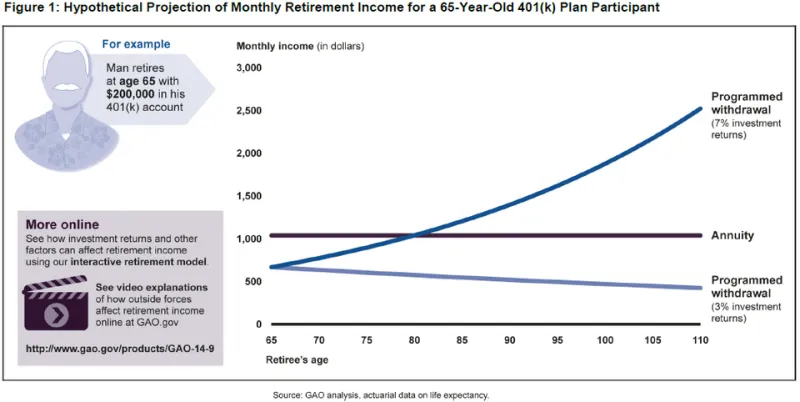
As Bitcoin and digital asset options begin appearing inside employer-sponsored 401(k) plans, millions of US workers face a decision with far more complexity than the enrollment materials suggest. This analysis examines the custodial structures, fee layers, and regulatory uncertainties embedded in workplace crypto offerings—and helps investors determine whether the access these plans provide is genuinely valuable or a liability dressed in opportunity.

The Arbitrage Illusion: Why Bitcoin Price Gaps Between US Exchanges Almost Never Pay Off
Technical Analysis

The Arbitrage Illusion: Why Bitcoin Price Gaps Between US Exchanges Almost Never Pay Off

Bitcoin occasionally trades at meaningfully different prices across Coinbase, Kraken, and other major US platforms, creating what appears to be a risk-free profit opportunity. In practice, the friction costs embedded in cross-exchange execution — fees, withdrawal limits, settlement delays, and slippage — consume the spread before most retail traders can capture it.

Investor Education

Free Money Has a Price: The IRS Reality Behind Bitcoin Airdrops, Forks, and Staking Rewards

When a blockchain network deposits tokens into your wallet without a purchase, the IRS does not view that event as a gift — it views it as income. Understanding how the agency values and taxes airdrops, hard forks, and staking rewards is essential for any US-based Bitcoin trader who wants to avoid an uncomfortable conversation with an auditor.

Investor Education

Who Holds Your Bitcoin? The Custody Decision That Shapes Every Other Trading Choice You Make

The question of where your Bitcoin lives is not merely a security preference — it determines your trading speed, your insurance exposure, your tax reporting accuracy, and your vulnerability to platform failures. A structured approach to the custody decision, tailored to your trading profile, is one of the most consequential steps a US Bitcoin market participant can take.

The Forced Exit Problem: How External Financial Pressures Can Liquidate Your Unlevered Bitcoin Holdings Without Warning
Investor Education

The Forced Exit Problem: How External Financial Pressures Can Liquidate Your Unlevered Bitcoin Holdings Without Warning

Holding Bitcoin in spot without leverage does not guarantee immunity from forced selling. Margin calls on separate accounts, exchange account restrictions, and staking protocol mechanics can all compel traders to exit core positions at the worst possible moment. Understanding how these external pressures interact with your Bitcoin holdings — and how to build structural defenses against them — is a risk management challenge every serious US trader must confront.

Stablecoins Are Not Tax-Free Parking: What the IRS Actually Sees When You Hold USDC and USDT Between Trades
Investor Education

Stablecoins Are Not Tax-Free Parking: What the IRS Actually Sees When You Hold USDC and USDT Between Trades

Many US Bitcoin traders treat stablecoin positions as neutral cash equivalents, but the IRS does not share that view. From conversion events to interest accrual, stablecoin holdings carry tax consequences that compound quietly throughout the year. Understanding how these liabilities form — and how to manage them — is essential for any serious trader operating in the United States.

Technical Analysis

Reading the Mempool: How Bitcoin's Transaction Queue Signals Fee Explosions and Tradeable Price Moves Before They Happen

The Bitcoin mempool is one of the most underutilized data sources available to active traders. When transaction backlogs build and fee markets tighten, price volatility often follows — and those who can interpret mempool dynamics in real time gain a measurable edge. This guide breaks down the mechanics of mempool analysis and shows how to integrate this on-chain signal into a structured trading framework.

Fed Watching for Bitcoin Traders: How Monetary Policy Cycles Shape BTC's Biggest Moves
Technical Analysis

Fed Watching for Bitcoin Traders: How Monetary Policy Cycles Shape BTC's Biggest Moves

Most Bitcoin traders spend their time watching charts while overlooking one of the most powerful forces driving price action: Federal Reserve monetary policy. Understanding how interest rate decisions and dollar liquidity cycles correlate with Bitcoin's major turning points can give US traders a meaningful edge before FOMC meetings even conclude.

Chain Reaction: How to Read the Warning Signs of a Bitcoin Liquidation Cascade Before It Destroys Your Portfolio
Technical Analysis

Chain Reaction: How to Read the Warning Signs of a Bitcoin Liquidation Cascade Before It Destroys Your Portfolio

Liquidation cascades can erase weeks of Bitcoin gains in a matter of minutes, but the conditions that trigger them rarely appear without warning. Understanding how leveraged positions cluster on the order book — and what derivatives data reveals in advance — gives disciplined US traders a meaningful edge before the chaos begins.

The Cost You Never See Coming: How Bid-Ask Spreads Are Quietly Undermining US Bitcoin Traders
Investor Education

The Cost You Never See Coming: How Bid-Ask Spreads Are Quietly Undermining US Bitcoin Traders

Every Bitcoin trade you execute carries a cost that never appears on your fee schedule: the bid-ask spread. For active US retail traders, this invisible friction compounds into a significant drag on monthly returns—one that most participants never bother to measure. Understanding when spreads widen, why they do, and how to work around them is among the most undervalued skills in cryptocurrency trading.

When Diversification Fails: The Hidden Correlation Risk Draining US Bitcoin Portfolio Traders
Investor Education

When Diversification Fails: The Hidden Correlation Risk Draining US Bitcoin Portfolio Traders

Many US traders hold Bitcoin alongside equities under the assumption that the two assets move independently, providing a natural hedge during downturns. History tells a more complicated story. During periods of acute market stress, BTC-stock correlations have repeatedly surged toward 1.0, turning an intended diversifier into an amplifier of losses.

Perpetual Futures, Permanent Losses: How Funding Rates Are Quietly Draining US Bitcoin Traders
Technical Analysis

Perpetual Futures, Permanent Losses: How Funding Rates Are Quietly Draining US Bitcoin Traders

Funding rates in Bitcoin perpetual futures markets represent one of the most misunderstood — and most costly — mechanisms facing retail traders today. Far from being a minor operational detail, extreme funding rate readings have historically served as reliable contrarian signals preceding sharp price reversals. This guide walks US traders through the mechanics, the warning signs, and a practical framework for turning funding data into a genuine edge.

Max Pain, Maximum Damage: How Bitcoin Options Expiry Dates Quietly Trap US Retail Traders Every Month
Technical Analysis

Max Pain, Maximum Damage: How Bitcoin Options Expiry Dates Quietly Trap US Retail Traders Every Month

Every month, a predictable gravitational force pulls Bitcoin's price toward specific levels that benefit options sellers and punish unprepared retail traders. Understanding the mechanics of max pain theory and building a calendar-based awareness framework can mean the difference between being the predator and the prey during settlement windows.

Noon to Two: How Bitcoin's Midday Window Reveals the Afternoon's True Direction
Technical Analysis

Noon to Two: How Bitcoin's Midday Window Reveals the Afternoon's True Direction

Most US traders treat the midday lull as dead time, but Bitcoin's noon-to-2 PM Eastern window contains measurable signals that frequently define the rest of the session. By reading volume deltas, bid-ask spread compression, and order book depth during this quiet stretch, disciplined traders can make informed decisions before the late-session push arrives. This framework turns midday noise into actionable intelligence.

The 3 AM Edge: How Bitcoin's Pre-Dawn Price Action Sets the Stage for the US Trading Day
Technical Analysis

The 3 AM Edge: How Bitcoin's Pre-Dawn Price Action Sets the Stage for the US Trading Day

Between 2 and 4 AM Eastern Time, Bitcoin enters a peculiar low-liquidity window where thin order books and overlapping Asian market activity create measurable price signals. Understanding what happens during these quiet hours may give US traders a meaningful edge before the opening bell ever rings. This analysis breaks down the patterns, the data, and the practical routine serious traders can build around them.